Health

Begin with patterns, not superfoods
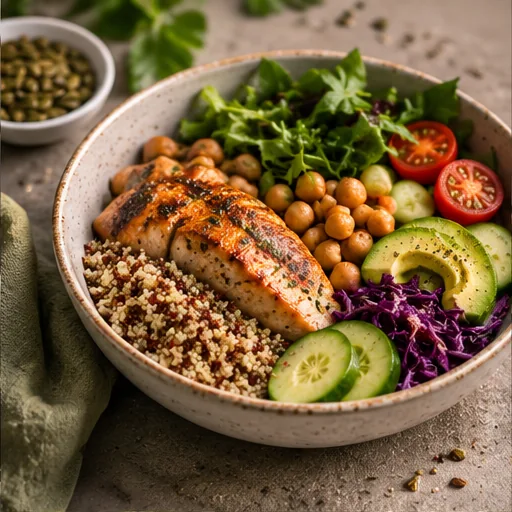
Nutrition advice is often delivered through bold claims: one ingredient is miraculous; another must never be eaten. But a useful eating pattern is built from many ordinary choices over time. Vegetables, fruit, pulses, whole grains, suitable protein foods and healthy fats offer a foundation that can be adapted to different cuisines and budgets.
No single food can compensate for a consistently unbalanced diet, and no single meal defines your health. Small improvements to a routine you already enjoy are often easier to sustain than a complete food overhaul.
Aim for variety
Colorful vegetables and fruit provide different nutrients and plant compounds. Whole grains and pulses contribute fiber, which supports digestion and can help people feel satisfied after meals. Protein-rich foods are important for tissue maintenance, while fats have roles in cell function and nutrient absorption.
You do not need every food group in every bite. Looking at your general pattern across a day or week may be more useful. Cultural food traditions can be a strength because they offer familiar combinations of ingredients.
Food labels in context
Nutrition labels can help compare similar products, especially for sodium, added sugars and saturated fats. But marketing terms on the front of a package may not reflect the whole nutritional picture. A product labelled “high protein” can still be high in sugar; a “low fat” product may have other trade-offs.
Choose labels to answer a practical question, not as a constant source of stress. People with food allergies, diabetes, kidney disease or other conditions may need more specific guidance.
How to handle trends and restrictions
Be cautious of dramatic detox claims, aggressive fasting programs, products promising rapid results and advice that excludes whole food groups without clear reason. Nutritional needs are individual, and restrictive patterns can create nutrient gaps or unhealthy relationships with eating.
If your goal involves a health condition, a registered dietitian or qualified clinician can help translate evidence into something safe and workable for you.
A practical next step
Pick one meal you eat regularly and ask whether it could benefit from an extra portion of vegetables, a source of protein or a more filling grain. Then try the change for a while before adding another.
Eating well should support your life. The most useful plan is one that remains nourishing, enjoyable and realistic.
Plan for real-life constraints
Healthy eating takes place in real kitchens with different budgets, time limits and food availability. Frozen vegetables, canned beans with appropriate sodium choices, simple lentil dishes and fruit in season can all be useful. A meal does not have to be photographed or meticulously portioned to be nourishing.
Try building a small collection of dependable meals that work for busy days. Repetition is not a problem when the overall pattern offers enough diversity across the week. Practicality is one reason sustainable eating often looks ordinary.
Watch for misleading certainty
Be cautious of anyone who promises that one diet will cure a disease, “reset” hormones or produce a dramatic result for everyone. Nutrition research is complex, and personal needs vary with health conditions, medication, age and activity. An extreme claim deserves especially careful scrutiny.
When a food choice is medically important—such as for a severe allergy, kidney disease, diabetes or pregnancy—use guidance from professionals who can assess your situation rather than copying advice from a stranger’s before-and-after photograph.
Source pages may offer further information and regional differences. Check the source update date and applicable local guidelines.